

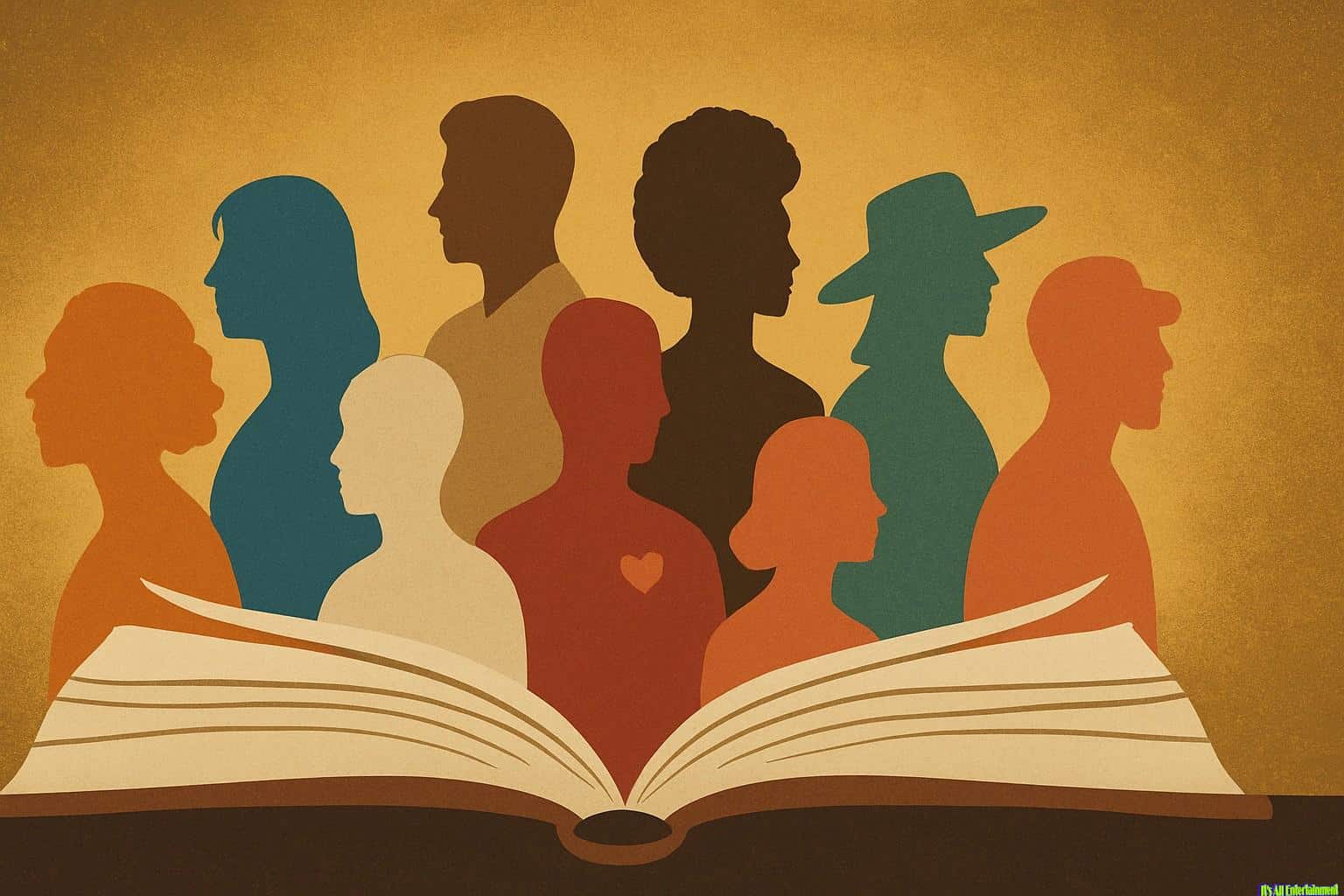

In both real life and in the realm of entertainment, I’ve always believed in one core principle: I don’t care what color your skin is, what your sexual orientation may be, or what country you come from. What truly matters to me—especially when it comes to movies, television, books, and other creative works—is whether the story is compelling, honest, and entertaining.
This isn’t to say that identity doesn’t matter. Of course, it does—diverse perspectives enrich storytelling, expand our worldviews, and bring new flavors to familiar genres. But when identity becomes the sole focus, at the expense of plot, character, and emotional resonance, the heart of storytelling is lost. I want to be moved, challenged, entertained, and inspired—not lectured.
Some of the most powerful moments in film and television come when creators seamlessly blend meaningful representation with great storytelling. Think of shows or movies where characters of different backgrounds, orientations, or beliefs are integral to the plot—not because of a box-ticking exercise, but because their unique traits make the story more real and layered. That’s the kind of representation that sticks with us—not because it’s loud, but because it’s authentic.
In the real world, too, I hold the same belief. I judge people not by their background or identity, but by their character, their actions, and how they treat others. Entertainment should reflect that ideal. Stories that aim to connect us should aim for universal human truths—love, loss, hope, ambition, and resilience. These themes transcend identity and bring us together, not divide us.
There’s a growing trend in some corners of the industry where identity politics can overshadow storytelling. When diversity becomes a checklist rather than a source of creative richness, audiences notice. It’s not about rejecting inclusion—it’s about insisting that inclusion be meaningful, and that it serve the story, not smother it.
Ultimately, we turn to entertainment to escape, to connect, to dream, and to explore. A great story pulls us in no matter who’s telling it or who’s in it. If a film, show, or book captures my imagination, moves me emotionally, or makes me think—then it has done its job. And if it happens to feature characters from different backgrounds, orientations, or parts of the world, all the better—so long as they’re part of a story worth telling.
So whether the hero is Black or Asian, gay or straight, American or Argentinian, none of that matters to me unless the story behind them is strong. Because in the end, entertainment should bring us together not by pointing out what makes us different, but by reminding us of what we all share.