

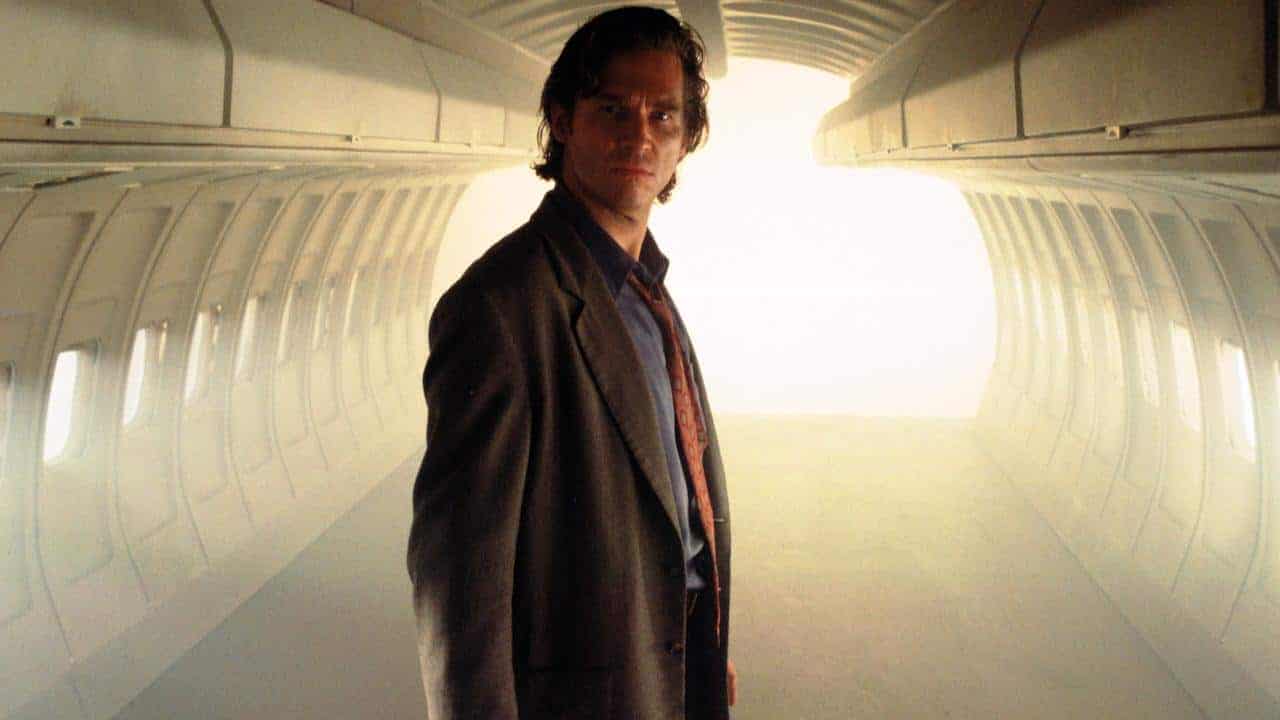

At a glance, Peter Weir’s career is a paradox. He was a key figure in the 1970s Australian New Wave (alongside Bruce Beresford, Gillian Armstrong, George Miller and others), before moving to Hollywood and making some of the most recognisable mainstream studio movies of the 1980s and 90s, including Dead Poets Society (1989) and The Truman Show (1998). Yet, especially during this American period, his approach is classical to the point of invisibility. There is no recognisable signature or specific style carried over from picture to picture.
Look closer, however. He is a Trojan horse, smuggling philosophical concerns into tried-and-tested commercial genres. His films pulse with the otherworldly and the metaphysical. Themes of transcendence, the sublime, mysticism and the uncanny recur. He has also spoken of the medium itself as engaging with the collective unconscious, and of Carl Jung’s perspective on archetypes as the origin of humanity’s most enduring symbols, patterns and myths…